
Resources
Extreme heat is one of the deadliest weather-related hazards in the U.S., and in Richmond, some neighborhoods feel its impacts more intensely than others. This resource hub is designed to help you stay safe, get informed, and take action. You’ll find practical tools for preparing for extreme heat, understanding heat-related illness, planting and caring for trees, and learning how trees help cool our neighborhoods, improve health, and strengthen community resilience.
Stay Safe In Extreme Heat
-
Find the nearest cooling center with this seasonal city resource listing cooling centers, public libraries, pools, and other air-conditioned spaces residents can use during dangerous heat.
-
When does heat become a medical emergency? Learn about heat exhaustion, heat stroke, cramps, and what to do if someone is in danger in this public health resource from the CDC.
-
Track when heat moves from uncomfortable to dangerous in your community with heat forecasts, local heat-risk levels, and health guidance by ZIP code from the CDC.
-
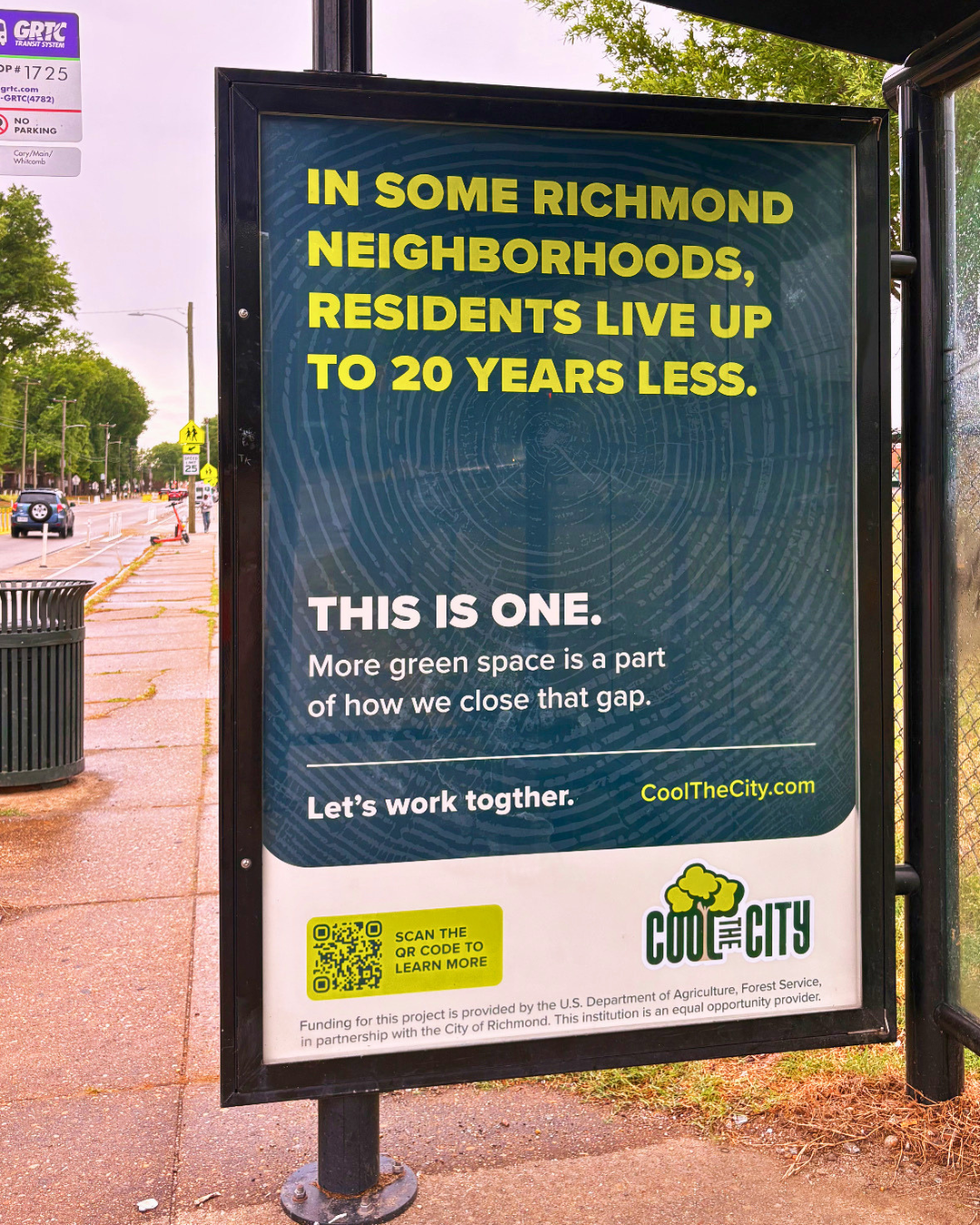
Syd Collier, Master of Public Health, breaks down what extreme heat means for Richmond — and why it’s not experienced equally across our communities. From recognizing the signs of heat-related illness to understanding how tree canopies, shade, and green infrastructure can save lives, this blog connects personal preparedness with the need for broader community-level action to address extreme heat.
Plant & Care for Trees
-
Learn the why, where, and how of tree planting with the Arbor Day Foundation, including guidance on selecting the right tree based on conditions like utility locations, soil quality, hardiness, and more.
Dig into the details of how to select the right tree to plant in your yard, and get tips for planting bare root, potted, and balled and burlap trees from VDOF.
-
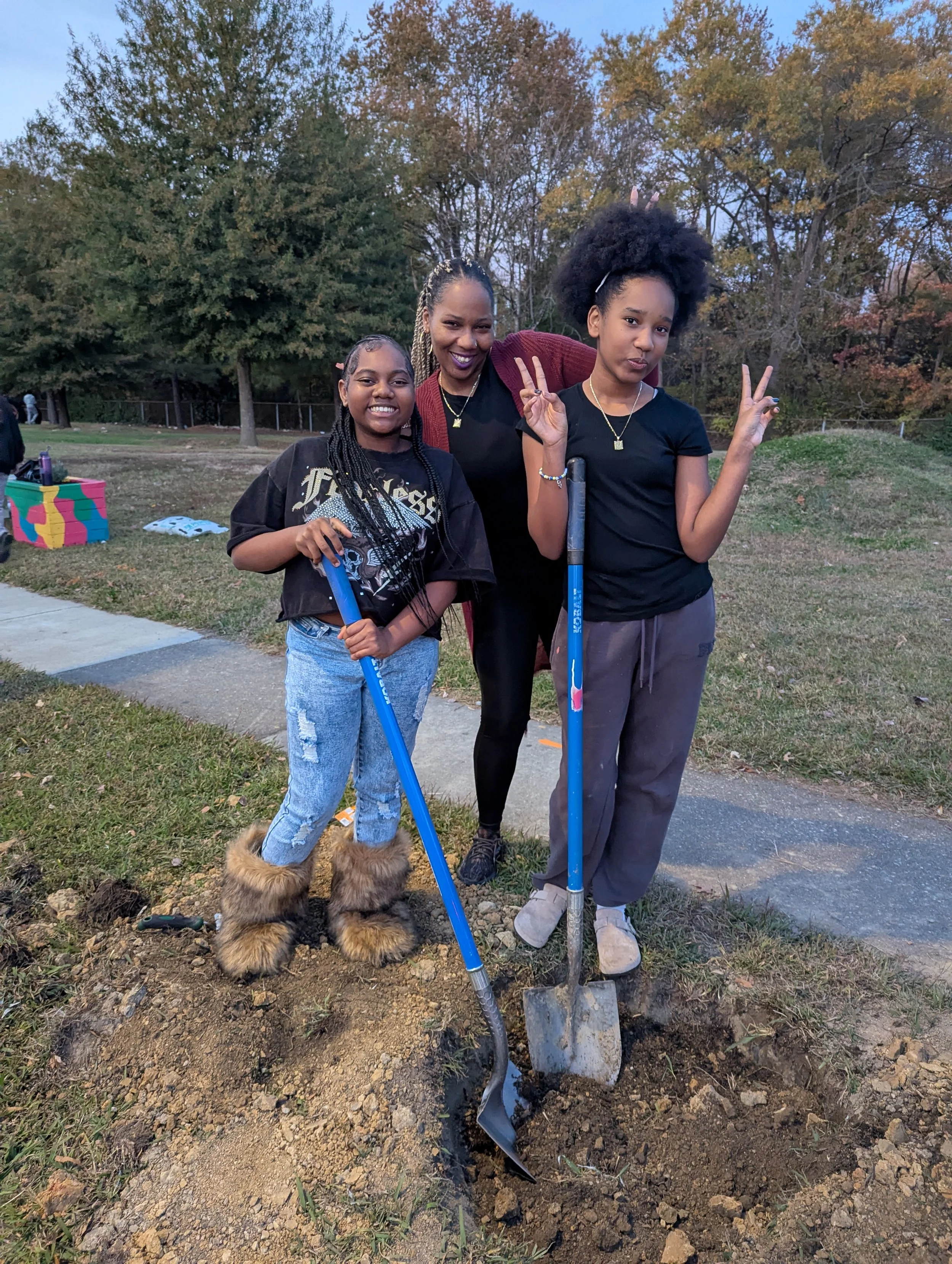
Plant a tree with Southside ReLeaf using these step-by-step instructions and common mistakes to avoid.
Prefer video guidance? Check out this tutorial from Casey Trees.
-
Learn how to help your trees survive and thrive with guidance on watering, mulching, and pruning from VDOF.
The Department of Public Works has developed a watering guide in English and Spanish.
Want to take your pruning knowledge to the next level? Gain hands-on pruning experience and earn your certification as a Tree Steward through the Richmond Tree Stewards’ annual training course.
-
For more information on tree care and maintenance, utilize the resources on the Richmond Tree Stewards website.
Curious about pests and other challenges to tree care? Explore resources from the Arbor Day Foundation.
Why Trees & Green Space Matter
-
Learn about 23 different benefits that trees provide in this resource from TreePeople.
Explore the value of trees with the Arbor Day Foundation, including how they clean our air and water, provide habitat for wildlife, connect communities, and support our health and well-being. Use their embedded tool to calculate the dollar-value benefit that the trees on your property provide.
Check out this visual factsheet from VDOF on the benefits of trees.
-
Explore this factsheet from the Arbor Day Foundation to learn how trees can save energy and lower utility costs during summer and winter extremes.
What trees should you plant to maximize their energy-saving potential? Check out this guidance from Utah State University’s Forestry Extension.
-
Take a stroll through this resource from New York’s Department of Environmental Conservation to learn why trees are beneficial for our mental health.
Access to green space is really good for mental, physical, and environmental health. See why in this report from the Trust for Public Land.
Childhood exposure to green space reduces the risk for developing an array of psychiatric disorders during adolescence and adulthood. Learn more about these findings in this resource from NASA.
-
Green spaces have been shown to reduce community violence and improve health and well-being. Find out how in this resource from the National Environmental Education Foundation.
A review of available research suggests that green spaces can reduce gun violence. Learn more in this study published by the National Institutes of Health.
Creating more green spaces can not only help neighborhoods feel safer — it can actually make them safer. Dig deeper with National Geographic.
Understand Urban Heat
-
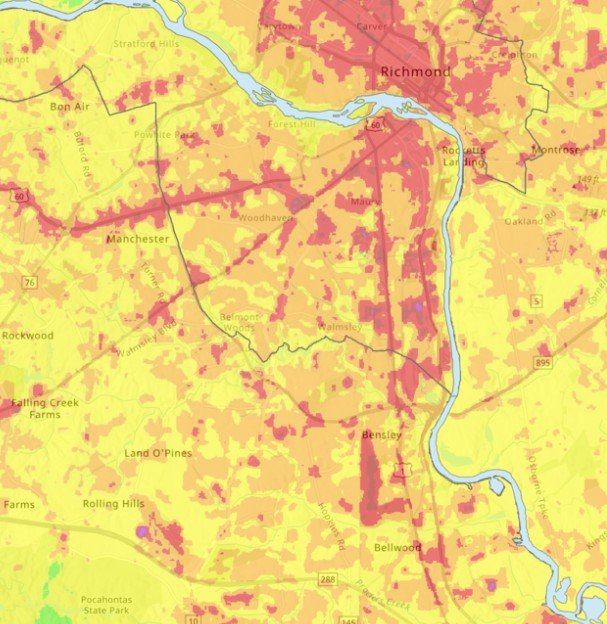
Learn how and why some neighborhoods in Richmond are up to 16 degrees hotter than others through Jeremy Hoffman’s community science research in collaboration with Groundwork RVA.
Dig deeper with this New York Times investigation into why some neighborhoods in Richmond are hotter than others.
Extreme heat is the top climate-related health risk in Richmond. Explore how extreme heat shows up in our communities with Plan RVA.
-
The “Thriving Environment” section of the Richmond 300 Master Plan sets the city’s goal at growing its tree canopy to 60% coverage by 2037.
Richmond is currently losing more tree canopy than it is gaining. Learn more from the Chesapeake Conservancy’s Chesapeake Innovation Center.
The City of Richmond is working with Weston & Sampson to create its first-ever Urban Forest Master Plan called “The Richmond Tree Plan” — a long-term strategy to grow, care for, and protect trees across the city.
-
Extreme heat is becoming more deadly, but planting trees where they’re needed most can help reduce risk. Learn more from the Arbor Day Foundation.
How many trees does it take to cool a city? Explore the data with the Cary Institute of Ecosystem Studies.
Explore 25 evidence-based cooling strategies that can reduce surface temperatures in urban and suburban communities across the Richmond region in the Richmond Cool Kit.
Take Action to Cool the City
-
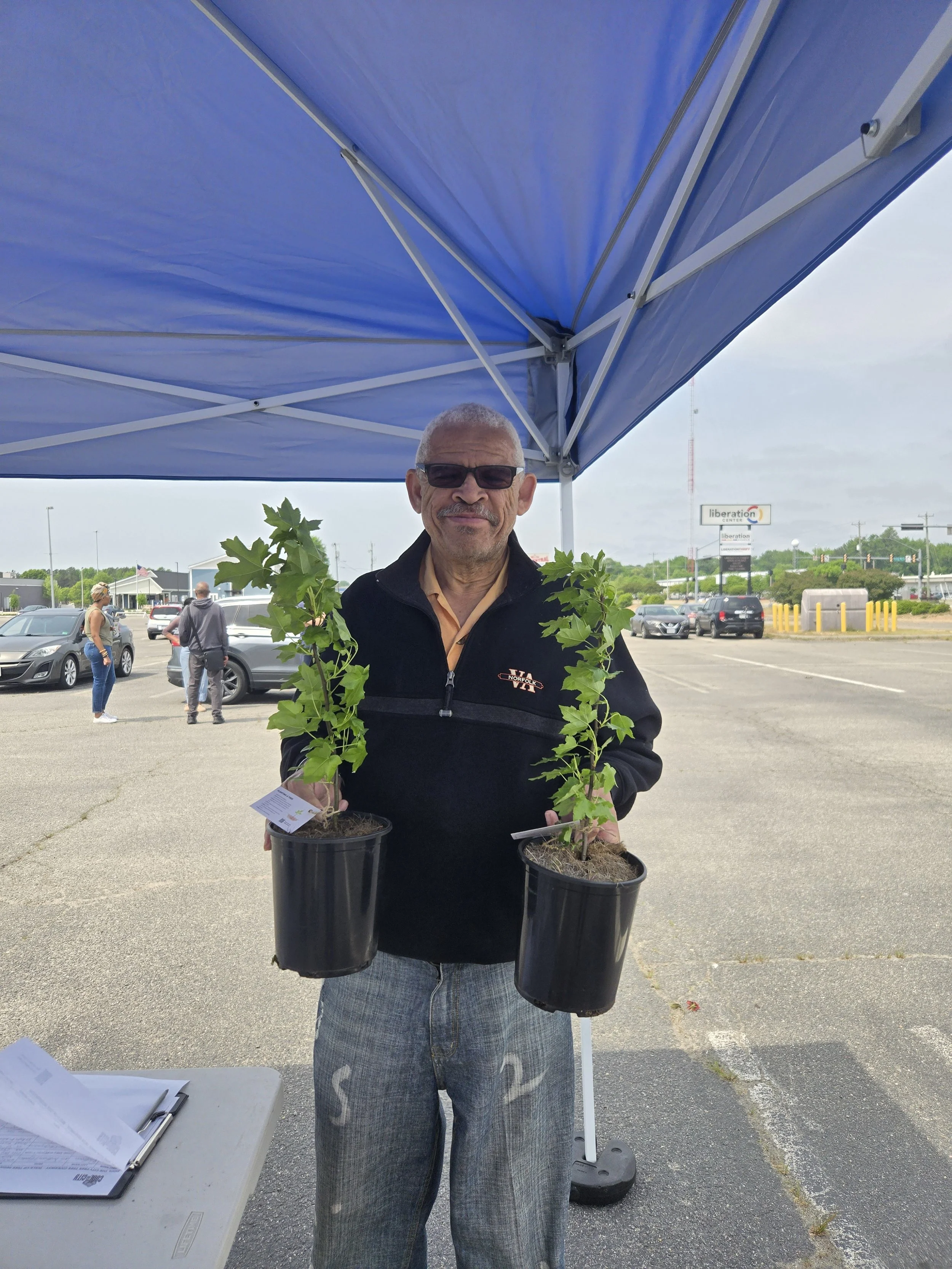
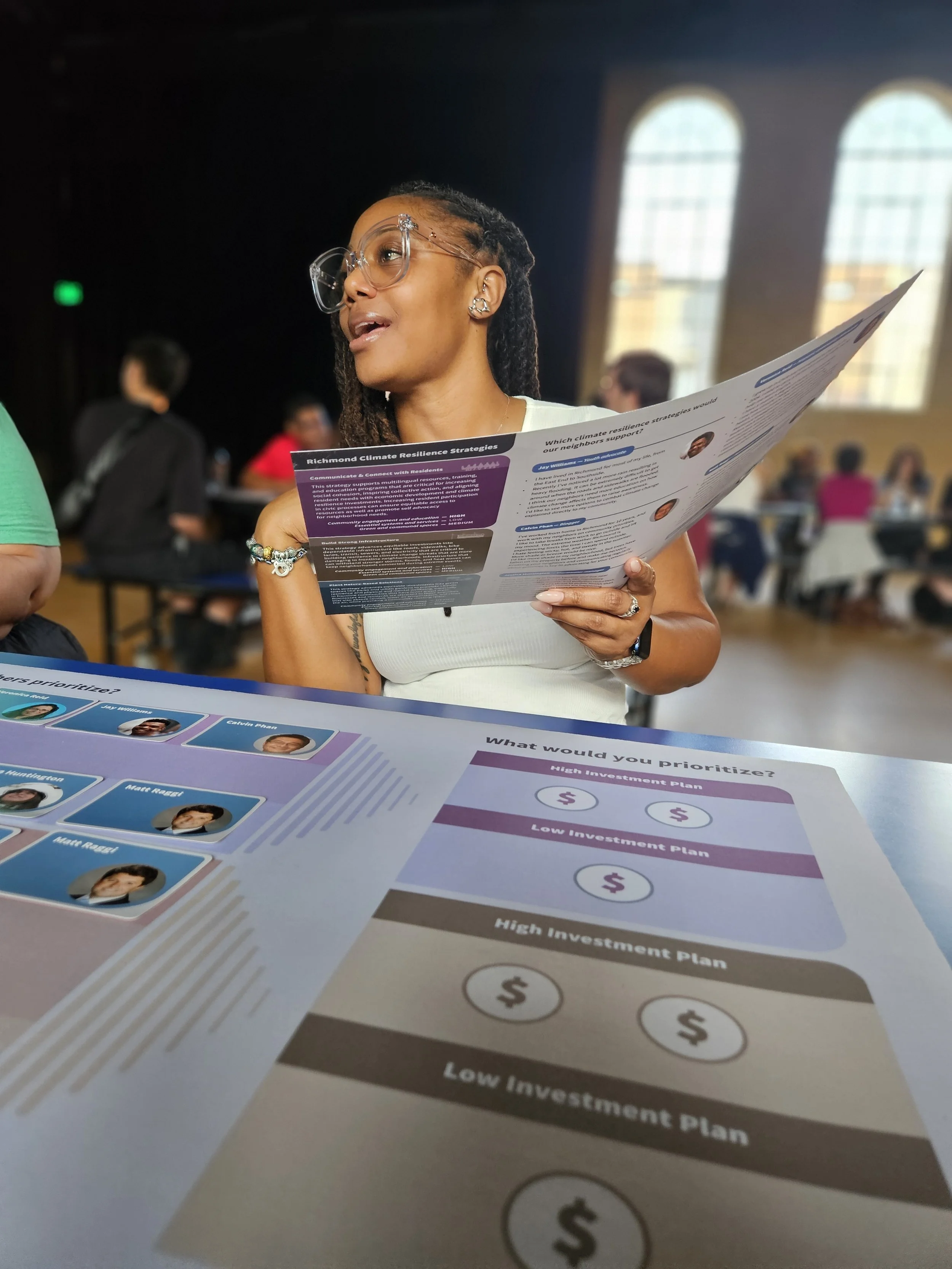
Cooling our city takes all of us. Join a tree planting, help care for young trees, sign up for a green apprenticeship, or participate in an educational event. By engaging with Cool the City, you can help build greener, healthier neighborhoods and join a growing movement for resilience in Richmond.
-
Trees are essential infrastructure — and everyone deserves access to their benefits. If your neighborhood could benefit from more shade, you can request a tree for eligible public spaces by submitting a Richmond 311 request (a system for residents to submit non-emergency service requests).
You can also report damaged, dead, or hazardous trees through 311 to help protect and maintain our urban canopy. Taking care of existing trees is just as important as planting new ones.
-
Richmond residents can help shape the future of the city’s environment by participating in public meetings and advisory commissions like the Sustainability & Resilience Commission, the Urban Forestry Commission, and the Zoning Advisory Council. These spaces influence city planning, climate policy, and tree canopy goals. Staying engaged helps ensure community voices are part of decisions that affect neighborhood health, heat, and green space.
The Sustainability & Resilience Commission meets six times a year and meetings are free, open to the public, and hybrid.
The Urban Forestry Commission meets most months of the year on the third Tuesday. Meetings are free and open to the public.
The Zoning Advisory Council will meet monthly at City Hall for the duration of the city’s Code Refresh rezoning process. Meetings are free, open to the public, and include dedicated public comment periods.
-
Local policy decisions shape the future of Richmond’s tree canopy. Contact your City Council representative and other elected leaders to let them know you support investing in urban forestry, protecting mature trees, expanding community greening efforts, and adopting stronger tree canopy standards for new development.
Never miss an opportunity to take action to protect our tree canopy and support increased resilience in our communities by signing up for action alerts from our partners: